Rise Like A Phoenix

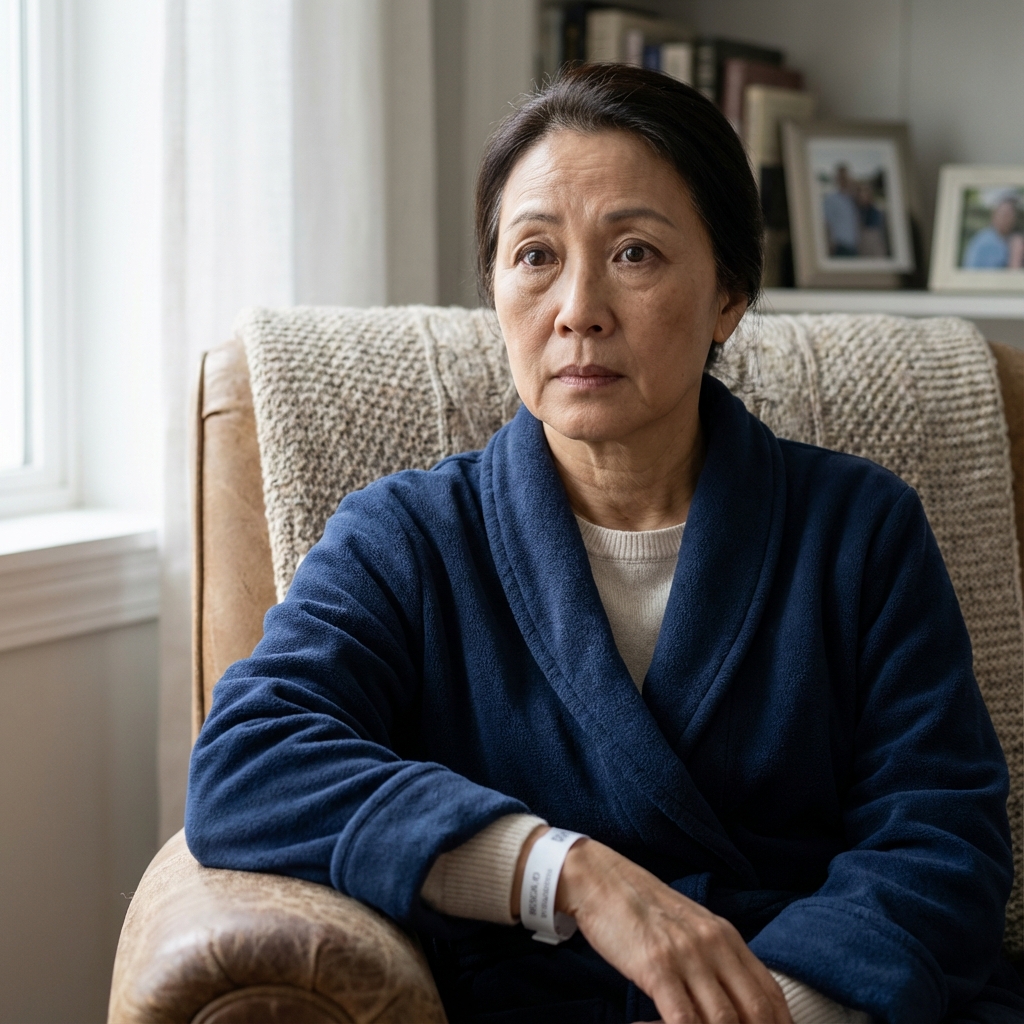
"No one tells you after heart failure that living can feel as frightening as dying. But here is truth: fear doesn’t mean you’ve lost faith; it means faith now has something real to work with.
In spiritual terms, courage doesn't arrive without something to overcome. God doesn’t shame you for fear, He meets you there.
Faith is knowing despite there being no proof yet, you know for certain that it's coming."
Understanding the Nature of Post‑
Event Fear
Following a major cardiac event, the brain and body remain on alert. Sensations such as chest tightness, fatigue, or skipped beats can trigger memories of the initial trauma, convincing survivors that danger is near. This response, both physiological and psychological, may cause chronic stress, restlessness, and avoidance of activity. Over time, the constant vigilance leads to diminished quality of life and slowed rehabilitation.
Research by the American Psychological Association (2020) indicates that approximately 20 percent of cardiac patients develop measurable post‑event anxiety or post‑traumatic stress symptoms, which in turn increase cardiovascular strain and delay healing. Early recognition and care are essential for long‑term stability.
Restoring Confidence Through
Cardiac Rehabilitation
Structured cardiac rehabilitation remains the strongest bridge between fear and renewed trust. These supervised programs rebuild stamina through gradual, safe exercise, while medical oversight helps participants distinguish between normal exertion and genuine warning signs.
Evidence from the American Heart Association (2022) and Mayo Clinic (2023) shows that patients who complete rehabilitation experience a 25–30 percent lower recurrence rate of cardiac events and report greater emotional well‑being. Rehabilitation retrains the body and mind together, transforming fear into familiarity and anxious caution into competence.
Addressing Psychological and
Emotional Recovery
Emotional healing is as critical as physical therapy. Intrusive memories and hyper‑focus on bodily sensations often signal residual trauma. Counseling—especially Cognitive Behavioral Therapy (CBT) is proven effective in managing fear of recurrence by reframing catastrophic thoughts with factual understanding.
Complementary practices such as mindfulness meditation, diaphragmatic breathing, and progressive muscle relaxation reduce overactivation of the sympathetic nervous system, improving heart rate variability and calm focus (Harvard Health Publishing, 2023). Consistent practice teaches survivors to view sensations as information rather than threats, rebuilding trust in their bodies.
Improving Sleep and Reducing
Nighttime Anxiety
Evenings often amplify anxiety. Quiet and solitude can bring awareness of heartbeat rhythms that trigger fear. This hyper‑vigilance frequently leads to insomnia, aggravating fatigue and emotional fragility.
Developing healthy sleep rituals consistent bedtimes, avoiding caffeine, limiting screens, and practicing gratitude reflection before rest helps restore stability. Journaling or prayer before sleep can anchor thoughts away from fear toward peace. According to Mindfulness‑Based Stress Reduction (MBSR) research compiled by Harvard Health Publishing (2023), regular mindfulness practice can improve both emotional regulation and sleep quality in cardiac populations.
Reclaiming Control Through
Knowledge and Self‑Education
Anxiety often thrives in uncertainty. Learning about heart function, medications, and physical limits replaces fear with informed confidence. Education transforms unpredictable symptoms into understandable signals.
The American Heart Association (2022) emphasizes that well‑informed patients demonstrate higher treatment adherence and reduced emotional distress. Engaging actively with healthcare teams reviewing prescriptions, asking questions, understanding side effects empowers survivors to participate in their recovery. Knowledge cultivates calm.
Reintegration Into Daily Life
Recovery is gradual, and re‑entering normal routines may feel intimidating. Yet gentle, progressive activity rebuilds the nervous system’s sense of safety. Choose one small goal each day: a short walk, preparing a meal, or rejoining a small gathering. These acts re‑train both heart and mind to interpret daily life as safe and livable.
Over time, movement becomes ease instead of caution. As each success accumulates, the brain rewires its association between activity and danger, reducing anxiety over time (Mayo Clinic, 2023).
The Role of Spiritual and Existential
Recovery
Cardiac events often open deeper questions of meaning and mortality. Some survivors find comfort through faith traditions; others through mindfulness, nature, or community service.
Research summarized by the Journal of Cardiopulmonary Rehabilitation and Prevention (2021) shows that attending to spiritual wellbeing improves cardiac outcomes and lowers rates of depression.
Prayer, meditation, or reflective gratitude help transform the focus from loss to purpose. Spiritual care through chaplaincy, counseling, or quiet reflection, supports resilience in ways medical interventions alone cannot.
Transforming Fear Into Motivation
When understood, fear becomes a teacher rather than an enemy. It reminds survivors of life’s value and the need for mindful living nutritious food, steady care, emotional awareness, and consistent follow‑up.
The goal is not to erase fear but to master it. With medical support, psychological tools, and spiritual perspective, survivors can turn apprehension into motivation. Fear evolves into awareness; awareness fosters gratitude; gratitude becomes strength.
Summary
The fear of recurrence is a normal emotional companion after heart failure but it doesn’t have to control the journey. Through cardiac rehabilitation, emotional therapy, mindful practice, education, and spiritual reconnection, survivors learn to live again without constant apprehension.
True recovery means more than physical stability; it is inner peace, renewed confidence, and appreciation for life. The heartbeat that once brought anxiety begins once again to symbolize courage a rhythm of survival, faith, and calm expectancy.
References
American Heart Association. (2022). Secondary prevention and rehabilitation after cardiac events. https://www.heart.org
American Psychological Association. (2020). Managing post‑traumatic stress after heart disease. https://www.apa.org
Harvard Health Publishing. (2023). Mindfulness and cardiac recovery: Regulating stress and sleep. Harvard Medical School.
Mayo Clinic. (2023). Cardiac rehabilitation and emotional recovery. https://www.mayoclinic.org
Emerging From Fear
Learning to Breathe Again After the Storm.
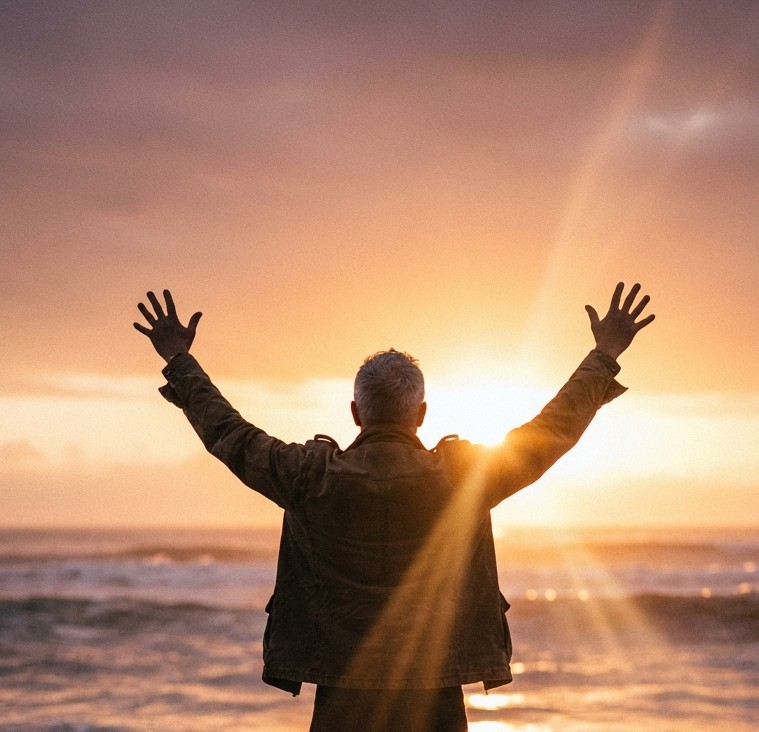
The storm is already receding and the sun is starting to break though.
Before you know it, the memory of the storm fades.
The first breath after heart failure feels both miraculous and terrifying. You awaken in a world that looks the same but feels utterly new. Machines quiet. Lights dim. And in that silence, fear moves in quietly, insistently, whispering questions you can’t easily answer: What if it happens again? What if I close my eyes and don’t wake up? This fear is not your ending; it’s the first tremor of rebirth.
When Fear Feels Like a Second Heartbeat
Fear after survival is natural. Your mind remembers what your body endured. Every unusual flutter, every skipped beat, triggers a rush of questions. The body and soul both crave safety—but they heal at different speeds. While doctors tend to the physical heart, fear often lingers quietly in the emotional one.
No one warns you that living again can feel as frightening as dying. But here is truth: fear doesn’t mean you’ve lost faith; it means faith now has something real to work with. In spiritual terms, courage doesn't arrive without something to overcome. God doesn’t shame you for fear, He meets you there.
"Do not fear, for I am with you; do not be
dismayed, for I am your God. I will
strengthen you and help you.” – Isaiah 41:10
Faith does not erase fear; it transforms it. You can tremble and still trust. The presence of God doesn’t prevent storms it anchors you through them. He does not remove fear by command but by companionship.
The Noise That Never Stops
Once home from the hospital, silence becomes louder than any alarm. The monitors are gone, and their absence becomes its own unease. You find yourself listening to your pulse, measuring breaths, unable to relax fully into peace. This vigilance, though exhausting, is your heart’s way of confirming that life continues. The same awareness that sparks fear can be retrained to awaken gratitude.
When anxiety spikes, pause. Breathe deeply—in through your nose, out through your lips—and whisper, ‘You are here, God. And so am I.’ In that small rhythm, the noise quiets. Fear loses oxygen where presence grows.
“I sought the Lord, and He answered me;
He delivered me from all my fears.” – Psalm 34:4
The psalmist did not say God prevented fear, but that He delivered him from it. Deliverance implies movement from panic toward peace, from chaos into calm. That journey unfolds through patience, prayer, and presence, often one breath at a time.
Trusting a Body That Once Betrayed You
Perhaps the hardest part of recovery is learning to trust your own flesh again. The heart that once faltered now beats on, but confidence takes longer to return. Every cough, twinge, or strain can stir panic. You ask, Can I climb those stairs? Should I walk farther? There’s vulnerability in every motion but also deep grace.
Your body, fragile though it feels, is not your enemy. It fought for you. It carried you through trauma, cooperated with medicine, and now labors daily to restore balance. Every scar is proof of God’s sustaining mercy. Recovery is not about rushing back to strength but learning to live in rhythm with your body again slow, steady, surrendered.
“Peace I leave with you; My peace I give you. Not as the world gives.
Do not let your hearts be troubled and do not be afraid.” John 14:27
This divine peace is not the absence of symptoms it’s the presence of assurance. You are learning to trust the miracle beating inside you not because it’s infallible, but because it’s now a place where grace resides.
Translating Fear into Faith
Fear is energy. Left unchecked, it consumes. Redirected, it fuels prayer and awareness. Use fear as signal, not sentence let it remind you to breathe, to pause, to praise. In moments when anxiety surges, shift your focus from danger to dialogue: ‘Lord, what are You showing me right now? Where are You in this?’
Faith doesn’t silence every fear, but it changes its volume. With time, what once roared becomes background noise beneath stronger melodies of gratitude and courage.
The Ministry of Each Breath
Once you have faced mortality, every inhale becomes a confession of gratitude. You begin to realize: your breath is prayer. Each one declares, I am still here. And that truth humble, defiant, holy can overpower any fear’s hold on you.
You don’t have to do something grand to honor survival. Simply noticing your existence is sacred practice. Look for God’s fingerprints in ordinary life: sunlight warming your face, the laughter of someone you love, the sound of your own heartbeat at rest. These are not small things they are resurrection made visible.
REFLECTION:
1. What situations, sounds, or sensations trigger your fear most often and what scriptural truth can you speak into that moment?
_____________________________________________________________________________________________________________________________________________________________________________________________________________________________________________________________________________________________________________________________________________________________________________________________
2. How has fear shown you what you cherish most about life?
_____________________________________________________________________________________________________________________________________________________________________________________________________________________________________________________________________________________________________________________________________________________________________________________________
3. Where have you already noticed glimpses of courage or peace returning?
_____________________________________________________________________________________________________________________________________________________________________________________________________________________________________________________________________________________________________________________________________________________________________________________________
ACTION:
• Begin and end each day by placing your hand over your heart, whispering: ‘Thank You, GOD, for another heartbeat!’
• Write one sentence each night beginning with: ‘Today, I felt brave when…’ Even small acts count.
• When fear rises, recite John 14:27 slowly. Let peace replace panic with every line.
• Share a conversation with someone else recovering, confessing not only your fears but also your faith in progress, for iron sharpens iron.
"Emerging from fear is not about erasing anxiety, it’s about transforming it into awareness of grace. Through fear, you learn reverence; through weakness, dependence; through trembling, faith. Courage doesn’t look like running; it looks like resting in God’s arms while storms pass overhead. You don't have to freak out and try to figure out 'how' it's going to work out only that IT'S GOING TO WORK OUT!
You survived the heart’s silence now you are learning to hear its new song."
_