
Coping with Fatigue and Shortness of Breath

Fatigue and shortness of breath (SOB) are among the most persistent and discouraging symptoms heart failure survivors experience.
It can appear as both physical weakness and mental exhaustion, often persisting long after hospital discharge.
This overwhelming tiredness can make even routine tasks showering, walking, or preparing a meal feel impossible.
For many survivors, fatigue is not just a symptom; it’s a daily barrier to living well and regaining independence.
Fatigue & SOB After Heart Failure
Fatigue following heart failure isn’t simply due to deconditioning it has physiological, psychological, and metabolic causes. A weakened heart pumps blood less efficiently, reducing oxygen delivery to tissues and muscles. The body compensates by increasing effort for even basic activities, leading to faster exhaustion.
In addition, certain cardiac medications (such as beta-blockers or diuretics) may affect energy levels by altering blood pressure, fluid balance, or heart rate. Emotional stress and depression common among survivors also amplify perceptions of tiredness and lower motivation for activity. According to research in Circulation (Yancy et al., 2017), persistent fatigue is one of the strongest predictors of reduced quality of life in heart failure patients and often correlates with slowed recovery if unmanaged.
Rebuilding Physical Strength Through Gradual Movement
Recovery requires a careful balance between rest and gradual physical reconditioning. Modern evidence strongly supports the use of cardiac rehabilitation programs as the safest and most effective way to reintroduce exercise. These programs are tailored to the survivor’s medical condition, with trained staff monitoring heart rate, blood pressure, and overall exertion.
Early sessions often begin with light walking or seated exercises lasting only a few minutes. Over time, endurance, muscle mass, and confidence improve as circulation strengthens and oxygen utilization increases. The American Heart Association notes that moderate, progressive physical activity significantly reduces recurrence risk and strengthens cardiac output without overburdening the heart (AHA Scientific Statement, 2021).
For individuals unable to access rehabilitation centers, daily low-intensity walking or gentle at-home movements under guidance from a healthcare provider can provide comparable benefits. The key is consistency short, regular sessions yield greater progress than sporadic exertion followed by long rest periods.
Energy Conservation and Daily Living Skills
Fatigue management involves more than exercise it requires adjusting everyday routines to preserve energy while maintaining autonomy. Occupational therapists often teach “energy conservation” strategies that include pacing activities, alternating tasks with rest, and prioritizing essential responsibilities first.
Simple approaches like sitting while dressing, breaking large chores into smaller segments, and planning meals ahead can reduce strain. Encouragingly, patients who learn these adaptive techniques often regain independence faster and report improved well-being. These behavioral shifts transform fatigue management from mere endurance to structured self-care.
Adequate hydration and balanced nutrition also play crucial roles. Diets rich in lean proteins, whole grains, fruits, and vegetables support tissue repair and muscle function. Reducing sodium intake limits fluid buildup, easing the heart’s workload. According to the Journal of the American College of Cardiology (Heidenreich et al., 2022), adherence to a low-sodium, heart-healthy eating plan directly correlates with improved symptoms and energy levels in heart failure populations.
Restorative Sleep and Mental Fatigue
Poor sleep quality frequently compounds physical fatigue. Shortness of breath when lying down, anxiety about health, or side effects from medication may disrupt rest. Over time, sleep deprivation worsens concentration, mood, and physical stamina.
Addressing sleep involves both medical supervision and environmental adjustments. Clinicians may evaluate oxygen levels, rule out sleep apnea, or adjust medications affecting rest. Establishing a structured sleep routine—consistent bedtime, reduced screen exposure, comfortable room temperature can greatly improve restorative rest.
Mental fatigue often stems from the cognitive strain of constant self-monitoring and worry. Cognitive training exercises, mindfulness meditation, and controlled breathing can alleviate mental exhaustion. In controlled trials, mindfulness-based interventions have reduced fatigue severity by increasing perceived energy and emotional regulation among cardiac populations (Harvard Health Publishing, 2023).
Emotional Recovery and Motivation
Fatigue is not only physical it’s emotional. Survivors frequently describe discouragement about their body’s limitations. Depression, present in up to 40% of heart failure patients, exacerbates feelings of exhaustion and slows participation in recovery. Recognizing these emotions is essential; untreated depression intensifies fatigue, while appropriate treatment shortens recovery time.
Counseling, peer support, or group rehabilitation provide essential emotional reinforcement. Connecting with others facing similar challenges normalizes the struggle and fosters commitment to daily routines. Studies from The European Heart Journal (Baumeister et al., 2020) confirm that psychological support improves physical endurance and long-term adherence to rehabilitation plans.
Integrating Spiritual and Purpose-Based Renewal
Restoring physical energy often requires renewal of inner motivation. Survivors who reconnect with purpose whether through volunteerism, creative activities, or community support report heightened vitality. Spiritual or mindfulness practices such as prayer, reflection, or gratitude journaling offer moments of calm that reduce mental strain and promote emotional balance.
This dimension of recovery is not merely philosophical; it contributes directly to lower stress hormone activity and improved heart rate variability, both linked with better cardiac outcomes (Koenig, 2020). By fostering inner peace, survivors gain strength not just in muscle, but in mindset.
Looking Forward: Building a Sustainable Path to Strength
The journey from chronic fatigue to restored vitality requires patience, persistence, and support. Recovery should be viewed as a continuum not a race back to pre-event functioning but a transformation toward balanced, mindful living. Structured rehabilitation, cognitive retraining, emotional awareness, and spiritual grounding all play central roles in this process.
Over time, survivors learn that energy returns in layers. Fatigue lessens as confidence grows, and strength follows awareness of what the body can achieve safely. With proper medical support, education, and resilience, the once overwhelming exhaustion gives way to capability, purpose, and renewed participation in life.
References
Yancy, C.W., et al. (2017). 2017 ACC/AHA/HFSA Focused Update on the 2013 ACCF/AHA Guideline for the Management of Heart Failure. Circulation: Heart Failure, 140(6), e895-e1032.
Heidenreich, P.A., et al. (2022). 2022 AHA/ACC/HFSA Guideline for the Management of Heart Failure. Journal of the American College of Cardiology, 79(17), e263–e421.
Baumeister, H., et al. (2020). Effects of Psychological Interventions in Patients with Heart Failure: A Meta-Analysis. European Heart Journal, 41(43), 4091–4101.
Harvard Health Publishing (2023). Mindfulness and Heart Health. Harvard Medical School.
Koenig, H.G. (2020). Religion, Spirituality, and Health: The Research and Clinical Implications. International Scholarly Research Network Psychiatry.
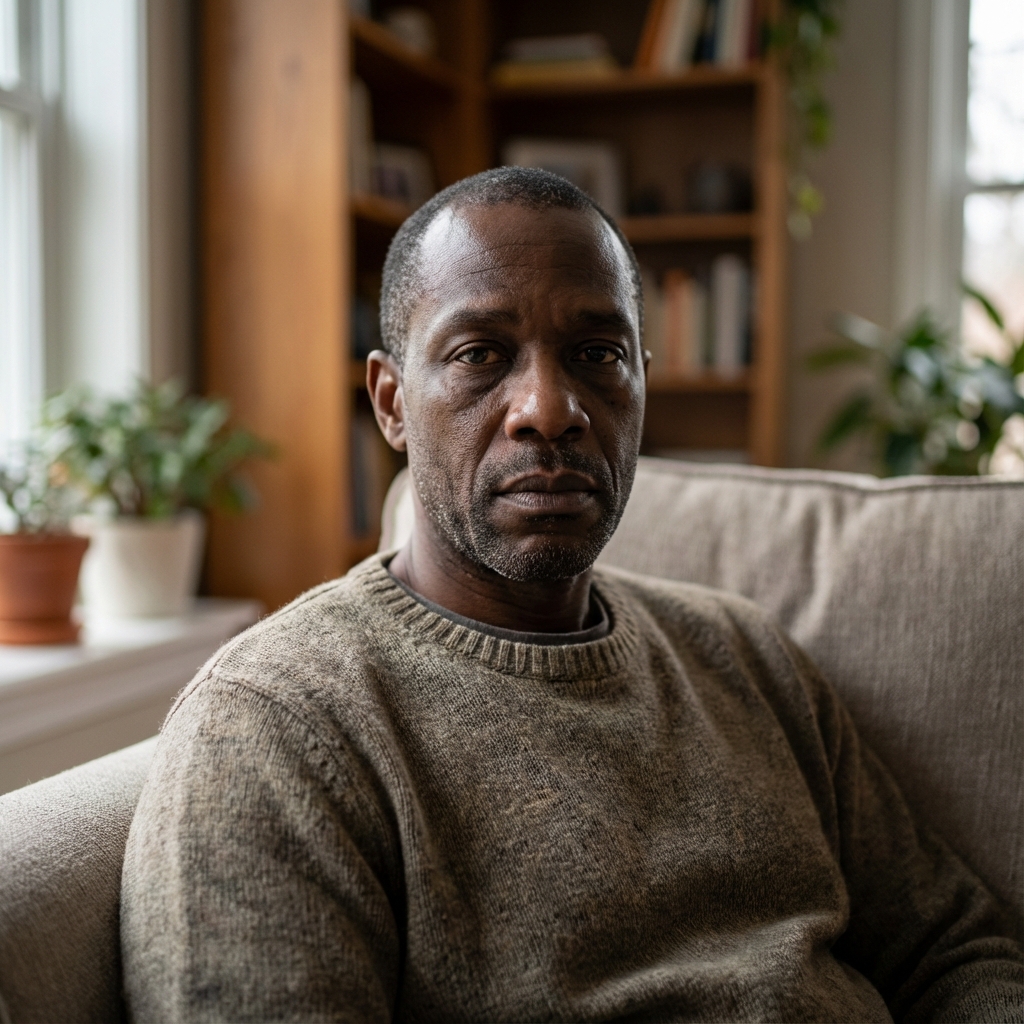
In the months following heart failure, energy feels unpredictable just walking across a room can seem as daunting as running a marathon once did. Friends may say you look stronger, but inside you feel fragile, restless, half‑alive and half‑afraid. Yet beneath that weariness, the quiet work of renewal has already begun. This chapter explores what it means to rebuild strength not only in muscle and breath, but in faith, resilience, and purpose.
Recovery is not just physical, but spiritual & emotional repair as well.
Recovery often comes with invisible burdens. The body aches, yes but so does the mind that remembers what used to come easily. Even moments of rest can feel uneasy, haunted by the question, Will I ever feel normal again? This uncertainty drains energy faster than any task. Healing requires not only time, but the humility to live inside limitation. As difficult as that is, weakness can become the sacred space where strength is quietly reborn.
“He gives strength to the weary
and increases the power of the weak.” – Isaiah 40:29‑31
Even the faithful grow tired. Isaiah’s promise is not that we will never feel weak, but that our weakness invites God’s strength to enter. Each slow step, each quiet breath of perseverance, becomes a form of worship. The world teaches self‑sufficiency; healing teaches dependence not as defeat, but as partnership. When you reach the end of yourself, you meet the God who carries you further.
Rest as a Spiritual Discipline
In a culture that celebrates productivity, rest can feel like guilt. Many survivors describe feeling lazy or unmotivated simply because their bodies demand stillness. But Scripture redefines rest as holy practice, not failure. Jesus’ invitation was radical: ‘Come to Me, all who are weary and burdened, and I will give you rest.’ (Matthew 11:28) Rest is not avoidance it is obedience. It’s a pause that honors the Creator who designed cycles of labor and Sabbath, effort and renewal.
Allow yourself to rest without apology. The world will keep turning. Your worth does not shrink when your energy does. Every breath is stewardship, not waste. Sleep becomes prayer. Stillness becomes a sanctuary where the soul can exhale.
“Come to Me, all you who labor and are heavy laden,
and I will give you rest.” Matthew 11:28‑29
When you treat rest as part of healing instead of resistance to it, fatigue becomes less of an enemy and more of a messenger. It whispers: slow down, breathe, let grace catch you. Every saint who endured hardship from prophets to apostles learned that divine strength often arrives in moments of surrender, not striving.
When Strength Doesn’t Feel Strong
Strength after illness rarely looks like what it once did. It’s quieter now a kind of endurance born through patience. You might not lift weights or run marathons, but you rise each morning and choose to keep living. That is strength. Faith grows not in the absence of struggle, but within it. Paul wrote, “My grace is sufficient for you, for My power is made perfect in weakness.” (2 Corinthians 12:9) The paradox is profound: your vulnerability becomes the doorway to divine power.
There will be days when exhaustion hits like a tidal wave, when progress feels undone and fear sneaks back in. Those days do not erase progress. They are part of the rhythm. Strength renews itself through cycles of depletion and replenishment. The same God who sustains your heartbeat also sustains your hope.
The Practice of Gratitude and Gentleness
As energy returns, resist the urge to rush. Gratitude keeps ambition aligned with grace. Instead of measuring recovery by milestones, measure it by moments of presence the smile you managed, the walk you took, the prayer whispered through fatigue. These are victories that hell cannot counterfeit. Learning gentleness toward yourself is crucial; the inner critic that demands constant progress can interrupt the very peace God offers.
Imagine speaking to yourself with the same compassion you would to a loved one learning to walk again. Each small accomplishment deserves celebration. In recovery, gentleness is not indulgence; it’s recognition of divine patience at work.
“My grace is sufficient for you, for My power
is made perfect in weakness.”2 Corinthians 12:9‑10
Let these words settle into your spirit. God’s grace is not an abstract comfort; it is fuel for endurance. When your own effort falters, remember that grace never tires. Weakness, when offered honestly, becomes the canvas where divine strength paints redemption.
Small Steps, Big Miracles
Recovery thrives in small increments. When you walk farther today than yesterday, breathe easier than last week, or smile where tears once flowed that is resurrection in motion. Heaven celebrates these moments though the world may overlook them. The psalmist wrote that God delights in those who hope in His mercy; that includes you. Keep walking, even with trembling legs. Strength is simply faith translated into movement.
Mark every improvement with thanksgiving. Write it down: Today I walked to the mailbox without resting. Today I climbed the stairs and my heart stayed calm. Over time, these notes become monuments of evidence that God is making all things new including you.
Choosing Perspective Each Day
The slow return of strength can test your patience. On weary mornings, remind yourself: progress is still progress even when no one notices. Every obedient breath is a testimony. The body heals, but so does the will. You are learning to endure like a saint who walks daily with grace, not by grandeur but by gratitude.
This journey is re‑training both your muscles and your mindset. The fatigue that once signaled failure becomes a constant invitation to trust. Each sunrise is proof that recovery is not just happening within your body it’s happening within your soul.
REFLECTION:
1. In what ways have you defined strength in the past, and how might God be redefining it for you now?
___________________________________________________________________________________________________________________________________________________________________________________________________________________________________________________________________________________________________________________________________________________________________________________________________________________________
2. What daily practices—physical, emotional, or spiritual—help restore your energy?
___________________________________________________________________________________________________________________________________________________________________________________________________________________________________________________________________________________________________________________________________________________________________________________________________________________________
3. How does the idea that grace works through weakness change your view of fatigue?
___________________________________________________________________________________________________________________________________________________________________________________________________________________________________________________________________________________________________________________________________________________________________________________________________________________________
ACTION CHALLENGE: "I double-dog dare you"
• Keep a short 'Energy Journal' this week. Record the times you felt most alive—and thank God for them.
• Before lying down to rest, breathe the prayer: 'God, renew my strength for tomorrow.'
• Identify one task each day you can release to rest more freely. Let rest become your collaboration with God.
The renewal of strength is never instant; it is steady grace unfolding at the speed of trust. Every moment of fatigue holds the potential for encounter with divine patience. You are not just recovering—you are being remade. And day by day, as weakness gives way to gratitude, you will find yourself soaring—not through exertion, but through surrender—on the very wings God promised.